
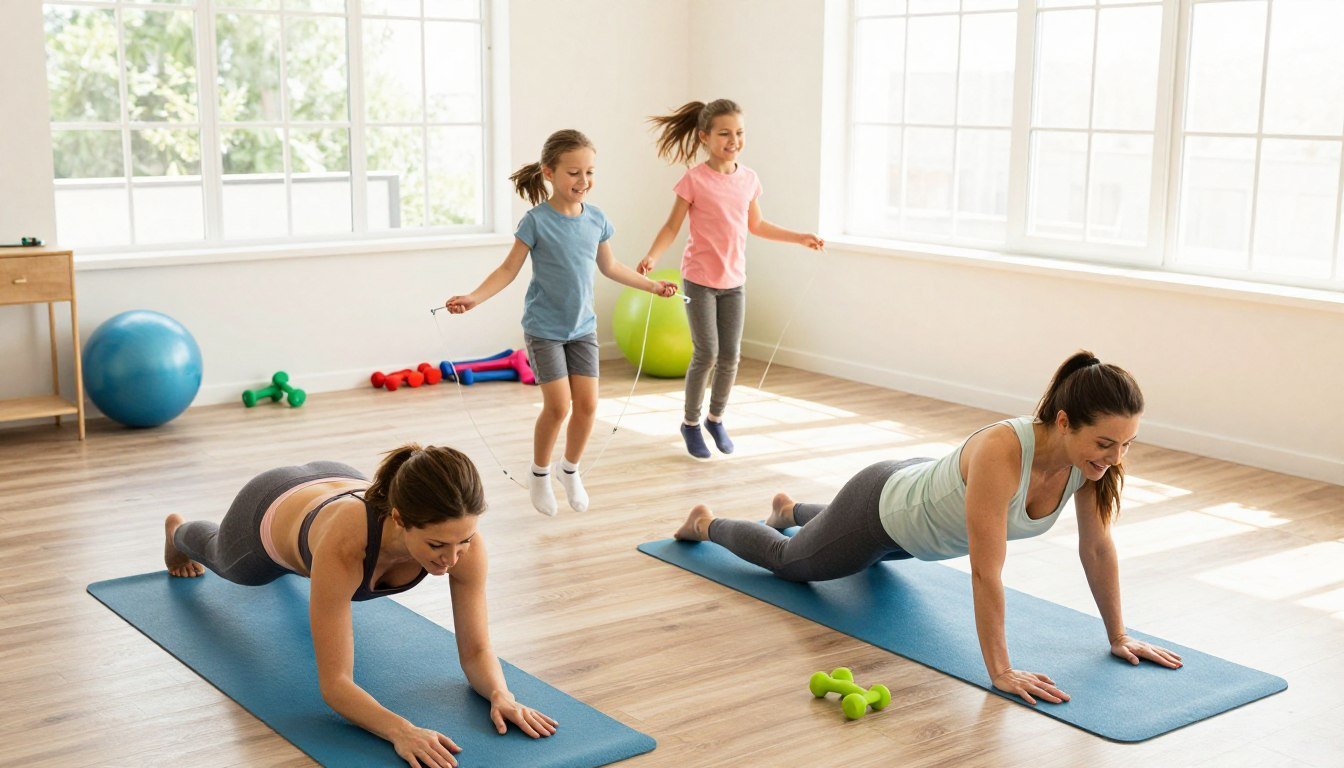
Fun Family Fitness Activities You Can Do at Home
I believe that staying active should be a joyful experience rather than a chore. Finding ways to move together helps everyone stay healthy while building stronger emotional bonds. When we prioritize shared movement, we create lasting memories right in our own living rooms.
In this guide, I will share practical family fitness activities that transform your daily routine into an exciting adventure. You do not need expensive equipment or a gym membership to get your heart rate up and have a great time.
We will explore a variety of indoor workouts, outdoor games, and creative challenges designed for all ages. I have also included essential tips on safety and modifications to ensure that every member of your household can participate comfortably and safely.
Key Takeaways
- Discover simple ways to incorporate movement into your daily schedule.
- Learn how to turn household chores into engaging physical challenges.
- Explore indoor and outdoor games that appeal to all age groups.
- Understand how to modify exercises for different skill levels and abilities.
- Prioritize safety while keeping the atmosphere light and fun for everyone.
Set Safe, Enjoyable Goals for Family Fitness Activities
Creating a sustainable habit of movement begins with thoughtful planning and clear, achievable goals. I find that when you prioritize fun over intensity, you build a foundation that lasts for years. By focusing on consistent participation, you ensure that everyone stays motivated and excited to move together.
Step 1: Choose Age-Appropriate Movement Goals
Match activities to children’s ages, abilities, interests, and energy levels
Every child develops at their own pace, so I always recommend tailoring your family fitness activities to match their specific needs. Younger children might prefer short, high-energy bursts of play, while older kids may enjoy structured challenges. Observing what keeps them engaged helps you select the best family-friendly exercise ideas for your unique household.
Focus on consistency, participation, and enjoyment instead of performance
It is easy to get caught up in tracking reps or speed, but that can quickly drain the fun out of your routine. Instead, I encourage you to celebrate the act of showing up and moving together. When you prioritize joyful movement, you create positive associations that make exercise feel like a reward rather than a chore.
Step 2: Prepare a Safe Home Workout Space
Clear furniture, slippery rugs, sharp objects, and other household hazards
Before you begin, take a few minutes to scan your living area for potential risks. Moving heavy furniture or rolling up rugs can prevent accidental trips and falls during your family exercise ideas. A clear, open floor space allows everyone to move freely and confidently.
Keep water, supportive shoes, and comfortable clothing available
Staying hydrated is vital, even during short indoor sessions. I suggest keeping a water station nearby so no one has to stop the momentum to find a drink. Wearing proper footwear and breathable clothing also helps prevent injury and keeps everyone feeling comfortable and ready to participate.
Step 3: Include Every Family Member
Offer easier and more challenging versions of each exercise
Inclusivity is the secret to successful family fitness activities. By providing modifications, you ensure that toddlers and adults can participate in the same session without feeling left out. For example, a simple squat can be a deep lunge for an adult or a fun “sit-to-stand” game for a child.
Let children help choose music, games, and family exercise ideas
When children have a say in the process, they are much more likely to stay committed. I love letting my kids pick the playlist or decide which family-friendly exercise ideas we try next. This sense of ownership turns a standard workout into a collaborative adventure.
| Age Group | Focus Area | Activity Type |
|---|---|---|
| Toddlers | Coordination | Animal movements |
| School-Age | Endurance | Obstacle courses |
| Teens | Strength | Bodyweight circuits |
| Adults | Flexibility | Yoga or stretching |
Create a Simple Weekly Family Fitness Routine
I have found that creating a simple weekly routine transforms exercise from a chore into a highlight of our week. By prioritizing bonding through family fitness, you can turn movement into a shared experience that everyone looks forward to. A consistent plan helps remove the guesswork and keeps your household moving together.
Step 1: Schedule Short, Realistic Workout Sessions
Use 20- to 30-minute sessions that fit school, work, and household routines
I recommend keeping your sessions brief to ensure they fit into a busy day. A 20- to 30-minute window is usually enough to get the heart rate up without causing burnout. This timeframe respects the demands of school and work while maintaining momentum.
Alternate indoor family workouts with outdoor family workouts when possible
Variety is essential for keeping interest levels high. I suggest mixing your environment to keep things fresh. When the weather is nice, take your routine to the park or backyard for outdoor family workouts to enjoy the benefits of fresh air.
Step 2: Build Each Session Around Four Parts
Plan a warm-up, active workout, playful challenge, and cool-down
To maximize the effectiveness of group fitness for families, I structure every session into four distinct phases. This ensures a safe and balanced approach to physical activity.
- Warm-up: Five minutes of light movement to prepare muscles.
- Active Workout: Ten minutes of focused exercise or movement.
- Playful Challenge: Five minutes of a fun game or competition.
- Cool-down: Five minutes of stretching to aid recovery.
Adjust intensity by using work periods, rest periods, and movement choices
You can easily tailor the intensity to match the fitness levels of different family members. Use the following table to help manage your session flow:
| Phase | Activity Type | Intensity Level |
|---|---|---|
| Warm-up | Dynamic Stretching | Low |
| Active Workout | Interval Training | Moderate to High |
| Playful Challenge | Skill-based Games | Variable |
| Cool-down | Static Stretching | Low |
Step 3: Keep Motivation High
Use encouraging language and celebrate effort, cooperation, and improvement
Positive reinforcement is the cornerstone of active family bonding. I make sure to praise the process rather than just the outcome. Celebrating small wins helps everyone feel successful and motivated to continue.
Rotate leadership so children and parents can design activities
Giving everyone a turn to lead empowers children and keeps the routine exciting. When kids choose the game or the exercise, they feel more invested in the outcome. This shared responsibility strengthens our connection and makes fitness a truly collaborative effort.
Use Family Fitness Activities to Warm Up and Get Moving
I find that starting with a gentle warm-up makes all the difference for a successful family session. Engaging in family fitness activities helps prepare your muscles and joints for more intense movement while reducing the risk of injury. It is a simple way to transition from a sedentary state into a more active mindset.
Step 1: Start With Dynamic Movement
Try marching, arm circles, gentle jogging, heel kicks, and side steps
Dynamic movements are essential for getting your blood flowing. I recommend starting with basic actions like marching in place or performing large arm circles to loosen up your shoulders. You can also incorporate gentle jogging, heel kicks, and side steps to engage your lower body.
Gradually increase movement speed without turning the warm-up into a competition
The goal here is to prepare, not to win. I suggest increasing your pace slowly to keep the atmosphere relaxed. These fun ways to stay active together should feel accessible for every family member regardless of their current fitness level.
Step 2: Add a Follow-the-Leader Warm-Up
Take turns leading movements such as bear walks, skips, reaches, and squats
Adding a game element makes the preparation phase much more engaging. I like to take turns being the leader, where each person chooses a movement like a bear walk, a skip, or a deep reach. This keeps everyone focused and excited to see what comes next.
Encourage children to create safe movements that everyone can copy
Giving children the lead empowers them and builds their confidence. I always encourage them to invent movements that are safe for everyone to mimic. This collaborative approach turns simple warm-ups into creative family exercise ideas that build coordination.
Step 3: Use Music and Movement Prompts
Pause the music for freeze-and-hold challenges
Music is a powerful tool for maintaining energy levels. I often pause the track unexpectedly, which forces everyone to freeze in their current position. This freeze-and-hold challenge is a fantastic way to test balance and core strength while keeping the mood light.
Change movements when the song changes to develop coordination and attention
You can also switch up the activity whenever the song changes to keep things fresh. This requires everyone to pay close attention and adapt quickly. It is a highly effective method for developing better coordination while ensuring that your time together remains playful and productive.
Try Indoor Family Workouts in Small Spaces
I have found that limited square footage is no barrier to staying active together at home. You can easily turn your living room into a vibrant space for indoor family workouts without needing expensive gear or a dedicated gym.
Step 1: Build a No-Equipment Circuit
Combine bodyweight squats, wall push-ups, lunges, planks, and glute bridges
You can create a full-body challenge using only your own body weight. I suggest performing controlled movements like squats and planks to build strength safely.
Use timed stations or repetitions that suit the youngest participant
Keep the energy high by setting a timer for each exercise. Adjust the duration so that even the smallest family member feels successful and engaged.
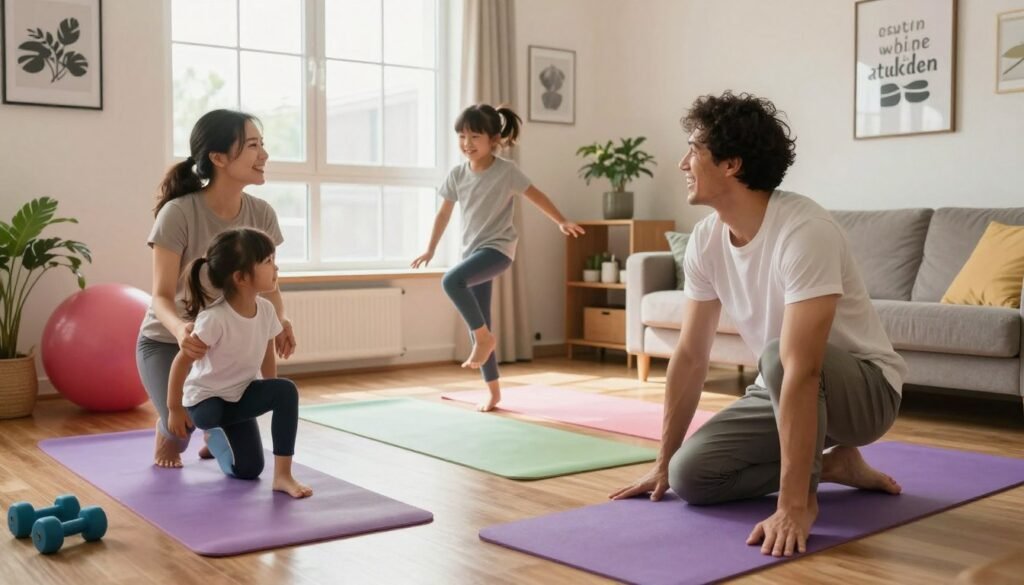
Step 2: Turn Household Tasks Into Movement
Use laundry-basket carries, toy clean-up races, and stair walking when safe
Daily chores offer a unique way to integrate physical activities for families into your schedule. Carrying a laundry basket provides a great workout, while a race to clean up toys keeps everyone moving quickly.
Keep lifting light and supervise children around stairs and furniture
Always prioritize safety when moving items around the house. I recommend keeping loads light and ensuring an adult is always present near stairs or heavy furniture.
Step 3: Play Indoor Fitness Games
Create an obstacle course with pillows, tape lines, cushions, and empty boxes
Transforming your hallway into an obstacle course is a fantastic way to burn energy. Use household items to create tunnels, balance beams, and jumping zones.
Play animal walks, balloon volleyball, indoor bowling, or movement charades
Games like balloon volleyball are perfect for small spaces because they require minimal room. These playful interactions make exercise feel like a fun family event rather than a chore.
Step 4: Protect Floors, Walls, and Bodies
Use non-slip surfaces and avoid jumping near tables, lamps, and hard corners
Safety is essential when practicing physical activities for families in tight quarters. I always clear the area of sharp objects and ensure we have a non-slip rug or mat for traction.
Replace high-impact movements for family members with joint pain or mobility limits
If someone in your family has joint pain, swap jumping for low-impact alternatives like marching in place. This ensures that everyone can participate in our indoor family workouts comfortably.
| Activity Type | Primary Benefit | Space Required |
|---|---|---|
| Bodyweight Circuit | Strength Building | Small |
| Chore Races | Functional Fitness | Medium |
| Obstacle Course | Coordination | Medium |
| Balloon Games | Cardio Fun | Small |
Plan Outdoor Fitness for Families at Home
I find that the backyard or driveway provides the perfect canvas for creative family movement. By moving your routine into the open air, you can embrace outdoor fitness for families in a way that feels less like a chore and more like an adventure.
Step 1: Make the Yard or Driveway an Activity Area
Set up relay lanes, cones, sidewalk-chalk targets, or a scavenger hunt
You can easily transform a flat driveway into a dynamic course using simple household items. I recommend using sidewalk chalk to draw targets for jumping or agility drills, which keeps children engaged and excited to participate.
Check the surface for holes, debris, hot pavement, and unsafe equipment
Before starting, always perform a quick safety sweep of your chosen area. Ensure the ground is free of sharp debris and check that pavement is not too hot for bare feet or sensitive paws.
Step 2: Explore Outdoor Family Workouts
Combine brisk walking, jogging, hill climbing, cycling, and bodyweight exercises
Variety is the key to keeping outdoor family workouts fresh and challenging for everyone. I like to mix aerobic activities like brisk walking or cycling with short bursts of bodyweight movements to keep our heart rates up.
Use backyard circuits with jumping jacks, step-ups, bear crawls, and balance drills
Setting up a circuit allows family members to rotate through different stations at their own pace. You might include fun challenges like bear crawls across the grass or step-ups on a sturdy porch ledge.
Step 3: Adjust for Weather and Sun Exposure
Schedule activities during cooler hours and provide water and shade
Planning your sessions during the early morning or late evening helps avoid the peak intensity of the sun. I always make sure to have plenty of water nearby and encourage everyone to take breaks in the shade.
Stop outdoor exercise for extreme heat, lightning, poor air quality, or unsafe conditions
Your safety must always come first when engaging in outdoor family workouts. If the weather turns sour or the air quality index drops, it is best to move your activity back indoors to stay safe.
Combine Strength, Balance, and Flexibility for All Ages
I believe that you can easily transform your living room into a hub for health and wellness activities for kids and parents. By mixing different types of movement, you ensure that every family member builds a strong foundation for long-term fitness. Focusing on these three pillars helps create a balanced approach to staying active together.
Step 1: Practice Family-Friendly Strength Exercises
Use sit-to-stands, wall sits, incline push-ups, resistance bands, and light carries
Strength training does not require a gym membership or heavy weights. I recommend starting with bodyweight movements like sit-to-stands from a sturdy chair or wall sits to build leg endurance. You can also incorporate light resistance bands or carry small household items to add a fun challenge to your routine.
Teach controlled form rather than encouraging children to lift heavy objects
Safety is my top priority when working with children. I always emphasize controlled form over the amount of weight lifted. Teaching kids to move with intention helps them develop good habits that prevent injuries during any physical activities for families.
Step 2: Add Balance and Coordination Drills
Try single-leg stands, heel-to-toe walks, line jumps, and balance poses
Improving coordination is a great way to make exercise feel like a game. I often have my family practice single-leg stands or walk in a straight line like a tightrope walker. These drills are simple, effective, and keep everyone focused on their posture.
Use a wall, chair, or parent’s hand for support when needed
It is perfectly fine to use external support while learning new balance skills. I encourage using a wall or a chair to stay steady during tricky poses. Holding a parent’s hand provides extra confidence for younger children as they master their stability.
Step 3: Finish With Flexible Movement
Use gentle stretches for the legs, hips, shoulders, and back after activity
Cooling down is just as important as the workout itself. I like to lead my family through gentle stretches that target the major muscle groups used during our session. This helps everyone recover and prepares the body for the next day of activity.
Hold comfortable positions without bouncing, forcing range of motion, or causing pain
Flexibility training should always feel relaxing. I remind my family to hold each position steadily without bouncing or pushing into pain. Consistency and comfort are the keys to maintaining a healthy range of motion over time.
| Exercise Category | Primary Benefit | Example Activity |
|---|---|---|
| Strength | Muscle Endurance | Wall Sits |
| Balance | Stability | Single-leg Stands |
| Flexibility | Joint Health | Gentle Stretching |
Make Cardio Feel Like Play Instead of Exercise
My favorite strategy for staying active is to frame cardio as a game rather than a workout. By focusing on family-friendly exercise ideas, I can ensure that everyone stays engaged without feeling the pressure of a formal performance test. This approach helps turn heart-pumping movement into a joyful experience for all ages.
Step 1: Use Short Bursts of Energetic Movement
I have found that short, intense intervals are among the most fun ways to stay active together. These quick bursts keep energy levels high and prevent boredom from setting in during our sessions.
Alternate jogging in place, dancing, high-knee marches, and fast feet
We often rotate through these movements to keep things fresh. By switching every thirty seconds, we maintain a high heart rate while keeping the atmosphere light and exciting.
Give younger children frequent breaks and let them control the pace
It is vital to let the little ones lead the way. I always encourage them to take breaks whenever they need to, which keeps the activity sustainable and prevents frustration.
Step 2: Organize Family-Friendly Races
Adding a competitive yet supportive element is a great way to boost fun fitness for families. Races provide a clear goal that encourages everyone to move with purpose and enthusiasm.
Try shuttle runs, hopping challenges, crab-walk relays, and balloon races
These activities require very little space but offer a high level of engagement. I love using balloons because they add an unpredictable element that makes everyone laugh while they move.
Reward teamwork, creative movement, and persistence instead of only speed
I make sure to celebrate the effort rather than just the finish line. When we focus on collaboration, the activity becomes much more inclusive and rewarding for everyone involved.
Step 3: Add Dance-Based Cardio
Dancing is perhaps the most natural form of group fitness for families. It allows us to express ourselves while getting our hearts pumping to our favorite songs.
Create a family dance routine with simple repeated steps
We keep our routines easy to follow so that no one feels left behind. Repeating a few simple moves helps build confidence and creates a sense of shared accomplishment.
Use freeze dancing, mirror dancing, and genre-based movement challenges
These games add a layer of creativity to our movement. Whether we are mimicking each other in a mirror or freezing mid-step when the music stops, we are always finding new ways to stay active and connected.
Build Kids Exercise Routines Around Games and Choices
Designing effective kids exercise routines requires a blend of creativity and choice. When I involve my children in the planning process, they feel more invested in the activity. By focusing on play rather than rigid drills, I ensure that everyone stays engaged and happy.
Step 1: Offer a Menu of Movement Options
Let children choose between dancing, jumping, climbing, walking, sports, or yoga
I find that giving children autonomy is the best way to spark interest. I offer a variety of activities like dancing to upbeat music or practicing yoga poses to help them stretch. This variety keeps things fresh and exciting for everyone involved.
Present two or three options to reduce resistance and decision fatigue
Too many choices can sometimes overwhelm a child. I usually present just two or three specific family exercise ideas to keep the decision process simple. This strategy helps prevent frustration and gets us moving much faster.
Step 2: Use Imaginative Fitness Themes
Design superhero training, jungle exploration, space missions, or animal adventures
I love using themes to turn a standard workout into an epic event. Whether we are training to be superheroes or exploring a pretend jungle, the focus shifts from exercise to adventure. This mental shift makes physical effort feel like a natural part of the game.
Connect each theme to safe exercises such as crawling, reaching, jumping, or balancing
Every theme needs a set of movements that fit the narrative. For example, a space mission might involve reaching for the stars or jumping over moon rocks. I ensure these movements are safe and appropriate for our home environment.
Step 3: Turn Exercise Into a Story
Move through stations that represent different parts of an imaginary journey
I often set up stations around the house that act as chapters in a story. We might start at the “base camp” before moving to a “mountain climb” station. This structure keeps the momentum going and provides a clear sense of progress.
Invite children to invent characters, obstacles, and movement rules
I encourage my children to take the lead by inventing their own obstacles. When they create the rules, they are much more likely to follow them with enthusiasm. This collaborative storytelling makes our time together truly unique.
Step 4: Keep Competition Friendly
Use cooperative goals such as completing a shared number of movements
I prioritize teamwork over individual winning to keep the atmosphere positive. We might aim to complete a total of fifty jumping jacks as a group. This shared goal builds a sense of unity and accomplishment.
Avoid elimination games that leave younger or less athletic children inactive
I strictly avoid games where someone gets “out” or has to sit on the sidelines. Instead, I focus on inclusive activities where everyone stays active until the very end. This approach builds confidence and ensures that no one feels left behind.
| Activity Type | Primary Benefit | Best For |
|---|---|---|
| Themed Adventures | Boosts Creativity | Younger Children |
| Cooperative Goals | Builds Teamwork | Mixed Age Groups |
| Choice Menus | Increases Autonomy | Decision Making |
Use Family Fitness Challenges to Strengthen Healthy Habits
I have found that structured challenges turn daily movement into a fun game for everyone. By implementing family fitness challenges, I can help my household stay motivated while building routines that last a lifetime.
Step 1: Choose a Shared Weekly Challenge
Track active minutes, family walks, dance sessions, stretching days, or outdoor games
I like to keep things simple by tracking progress on a whiteboard in our kitchen. Whether we focus on outdoor fitness for families or indoor dance parties, the goal is to keep everyone moving consistently.
Set flexible targets that encourage participation without creating pressure
It is important to remember that every family member has different energy levels. I set goals that are easy to reach so that nobody feels discouraged if they have a busy day.
Step 2: Connect Movement With Family Wellness
Pair exercise with water breaks, balanced snacks, sleep routines, and screen breaks
I view these health and wellness activities for kids and parents as a holistic approach to our lifestyle. We make sure to hydrate after every session and prioritize healthy snacks to fuel our bodies properly.
Discuss how movement affects mood, focus, energy, and family health and wellness
After our workouts, we talk about how much better we feel. I notice that my children have better focus and higher energy levels when we stay active together.
Step 3: Celebrate Progress Without Using Food as a Reward
Choose rewards such as a park visit, new game, family movie, or activity choice
When we reach our goals, I avoid using treats as prizes. Instead, I look for family wellness programs that emphasize experiences, like picking the movie for Friday night or choosing our next weekend adventure.
Recognize kindness, encouragement, consistency, and active family bonding
I make sure to celebrate the effort rather than just the result. Highlighting active family bonding helps my children understand that showing up for each other is the biggest win of all.
Step 4: Refresh the Challenge Regularly
Change activities weekly to prevent boredom and develop varied movement skills
I find that switching up our routine keeps the excitement alive. We rotate between yoga, tag, and obstacle courses to ensure we are developing a wide range of physical skills.
Let family members vote on the next challenge or create their own
Giving everyone a voice makes the process much more engaging. I let my kids suggest new ideas, which helps them take ownership of their own family health and wellness journey.
| Challenge Type | Primary Benefit | Best For |
|---|---|---|
| Walking Goal | Cardiovascular Health | All Ages |
| Dance Party | Mood Elevation | High Energy |
| Stretching | Flexibility | Recovery Days |
| Obstacle Course | Coordination | Active Play |
Adapt Activities, Track Progress, and Keep Everyone Safe
When you prioritize safety, you create a positive environment for long-term health and wellness activities for kids and parents. I have found that the most sustainable routines are those that evolve alongside the needs of every family member. By focusing on comfort and consistency, you ensure that movement remains a joyful part of your daily life.
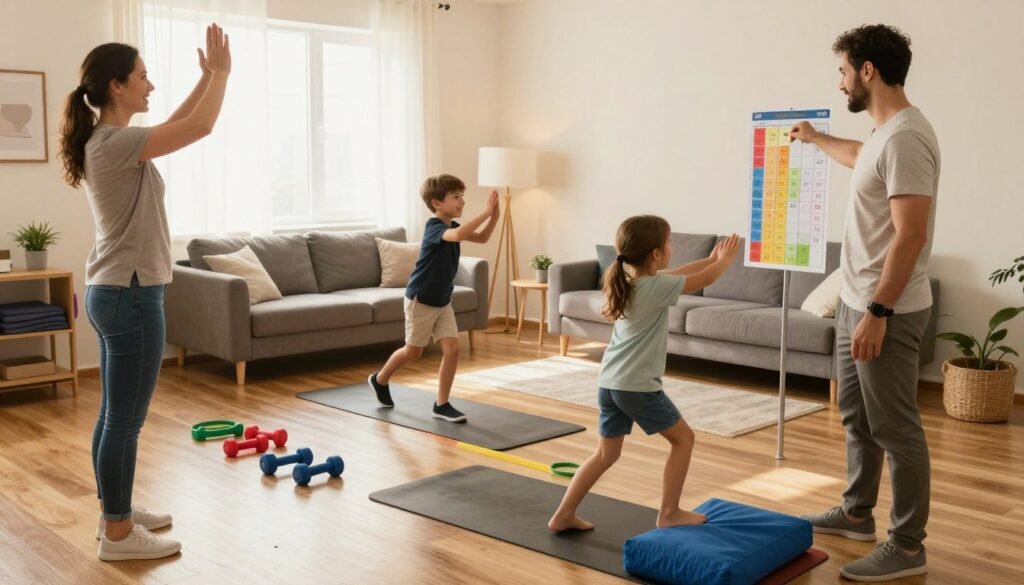
Step 1: Modify Movements for Different Abilities
Replace jumping with stepping, running with walking, and floor exercises with seated options
It is essential to remember that fitness is not one-size-fits-all. If a specific movement feels too intense, simply swap it for a lower-impact version. You can easily replace high-impact jumping with rhythmic stepping or trade running for a brisk walk to keep the heart rate up without unnecessary strain.
Use support from a chair or wall and reduce repetitions when necessary
Stability is key when you are just starting out or working with younger children. I recommend using a sturdy chair or a wall for balance during standing exercises. If you feel fatigue setting in, do not hesitate to reduce the number of repetitions to maintain proper form.
Step 2: Recognize When to Stop
Pause for dizziness, chest pain, unusual shortness of breath, sharp pain, or nausea
Listening to your body is the most important skill you can develop. You must stop immediately if anyone experiences dizziness, chest pain, or sharp discomfort. Unusual shortness of breath or nausea are also clear signals that it is time to rest and recover.
Seek medical guidance for children or adults with health conditions or exercise concerns
Safety always comes first, especially when pre-existing health conditions are involved. If you have any doubts about a specific activity, consult with a healthcare professional. Getting expert advice ensures that your family health and wellness journey remains both effective and secure.
Step 3: Measure Success in Practical Ways
Track participation, energy, confidence, movement variety, and family connection
True progress is not just about speed or strength. I prefer to track how much fun we are having and how our energy levels improve over time. Successful family wellness programs are built on the strength of your connection and the variety of movements you explore together.
Review what worked each week and adjust the routine together
At the end of each week, I sit down with my family to discuss our favorite moments. We look at what felt good and what we might want to change for the next session. This collaborative approach keeps everyone motivated and ensures the routine stays fresh.
| Activity Type | Standard Version | Modified Version |
|---|---|---|
| Cardio | High-impact jumping | Low-impact stepping |
| Strength | Floor push-ups | Wall push-ups |
| Balance | Single-leg stand | Chair-supported stand |
| Endurance | Continuous running | Walking with intervals |
Conclusion
Starting a journey toward better physical habits does not require expensive gym memberships or complex equipment. Simple family fitness activities provide a practical way to keep everyone moving while creating lasting memories in your own living room or backyard.
I believe that prioritizing active family bonding transforms exercise from a chore into a highlight of your week. By focusing on short, playful routines, you create an environment where movement feels natural and exciting for children and adults alike.
Consistent participation in these games and challenges builds a strong foundation for long-term family health and wellness. You gain more than just physical strength when you commit to these shared moments. You cultivate a supportive atmosphere that encourages everyone to reach their personal best.
I encourage you to start small today by picking one simple activity to try with your loved ones. Embracing the process of bonding through family fitness will strengthen your relationships and improve your collective well-being. Your path to a more energetic lifestyle begins with the very next step you take as a team.