15-Minute Workout for Beginners With Busy Schedules
Finding time to exercise when your calendar is packed feels nearly impossible. I know how draining a long day can be, but staying active is vital for your long-term health. That is why I created this efficient routine to help you build strength without needing a gym membership.
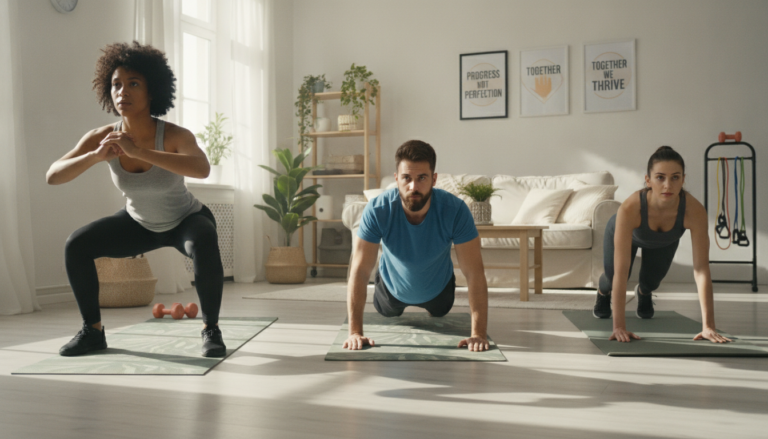
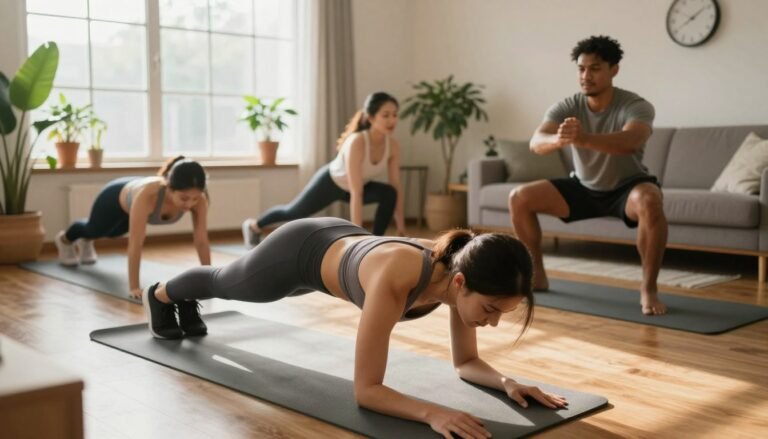
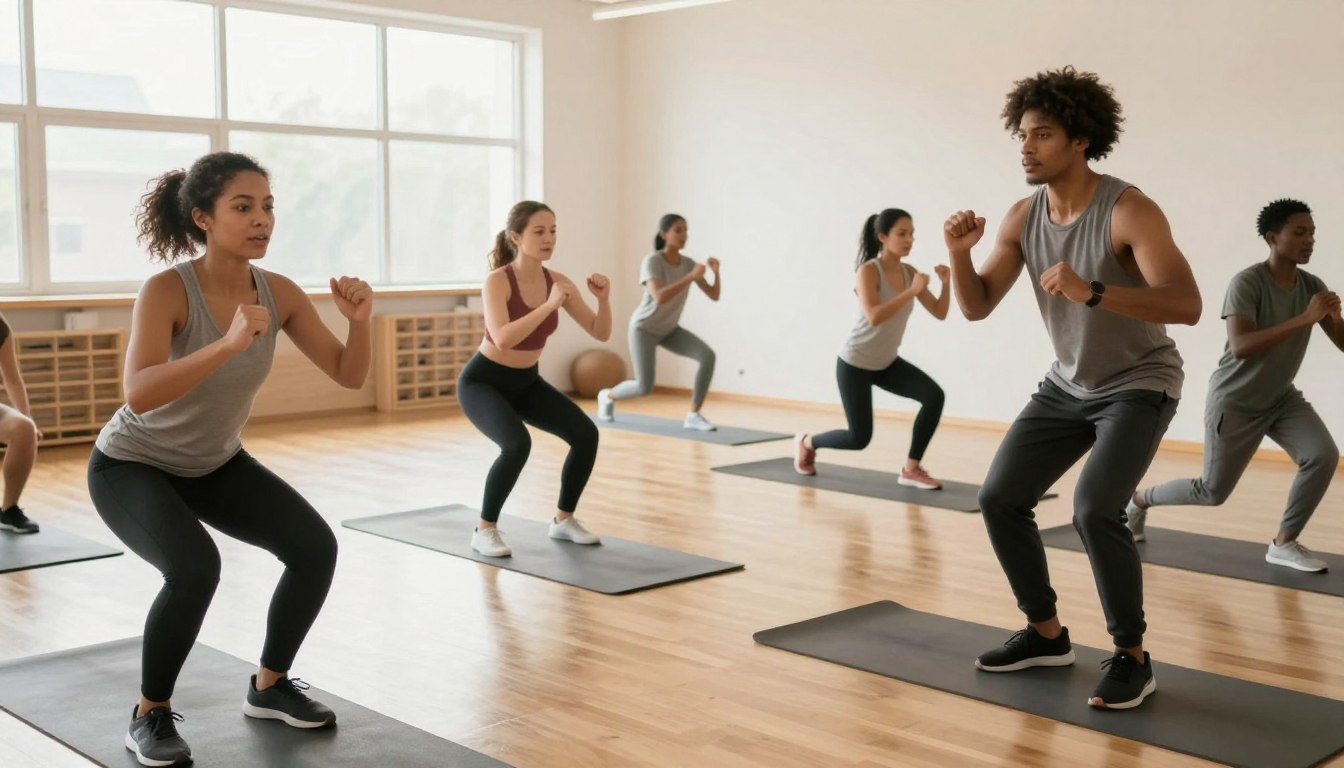
This simple guide provides a 15-minute workout for beginners that fits perfectly into any hectic lifestyle. You will learn how to perform effective movements at home to boost your energy levels quickly. I will walk you through a short warm-up, a dynamic circuit, and a relaxing cooldown to ensure you stay safe and consistent.
Key Takeaways
- Discover how to exercise effectively in just fifteen minutes.
- Learn simple movements that require zero gym equipment.
- Improve your daily energy levels with consistent activity.
- Follow a structured plan including warm-ups and cooldowns.
- Master modifications to suit your current fitness level.
Why a 15-Minute Workout for Beginners Works
Finding time for fitness often feels impossible when my schedule is packed. I have learned that I do not need an hour at the gym to see real results. A quick beginner workout allows me to prioritize my health without sacrificing my entire afternoon.
How Short Workouts Build Consistency
The biggest hurdle I face is starting. When I commit to just fifteen minutes, the task feels much less daunting. This low barrier to entry makes it easier for me to show up every single day.
By keeping my sessions brief, I avoid the burnout that often comes with intense, long-duration training. Consistency is the secret ingredient to long-term success. Over time, these small blocks of movement add up to significant progress.
Strength, energy, and health benefits of brief exercise sessions
Even a short session provides a powerful boost to my metabolism and mood. I notice that my energy levels stay higher throughout the day when I move my body in the morning. Regular movement also helps me build functional strength that makes daily tasks feel effortless.
The following table highlights why this approach is so effective for my lifestyle:
| Feature | Traditional Gym | 15-Minute Home Workout |
|---|---|---|
| Time Commitment | 60-90 Minutes | 15 Minutes |
| Equipment Needed | Full Gym Access | Minimal or None |
| Sustainability | Often Difficult | Highly Sustainable |
| Cost | Monthly Membership | Free |
What I need for a beginner workout at home
To start my easy fitness routine, I only need a few simple items. I wear comfortable clothes that allow me to move freely and supportive sneakers to protect my feet. A small, clear space in my living room is all the “gym” I require.
Beyond physical gear, I need the right mindset. I focus on progress rather than perfection during every session. By removing distractions like my phone, I ensure that my fifteen minutes are truly dedicated to my health and well-being.
Step 1: Prepare My Space, Body, and Schedule
My success with a new fitness habit begins with how I prepare my space and my mindset. By taking a few minutes to organize my environment, I ensure that my simple exercise plan remains both effective and enjoyable. A little bit of planning goes a long way in helping me stay consistent.
Choosing a safe workout area at home
I look for a clear, flat space in my home where I can move freely without bumping into furniture. A small area, such as a living room corner or a bedroom floor, is usually enough for a short workout for newbies. I make sure the floor is not slippery to prevent any accidental trips or falls during my movements.
Using a chair, wall, or exercise mat for support
I often use household items to help me maintain my balance and form. A sturdy chair is perfect for seated exercises or as a steady handhold during standing movements. I also utilize a wall for extra stability during push-ups, while a non-slip exercise mat provides comfort for my joints during floor-based activities.
Setting a timer and removing common distractions
I find that setting a timer helps me stay focused on my goals without checking the clock constantly. I silence my phone and let my family know I am busy for the next few minutes to avoid interruptions. This dedicated time allows me to fully commit to my simple exercise plan and get the most out of every movement.
When to postpone a workout or seek medical guidance
I listen to my body closely before I begin. If I feel sharp pain, dizziness, or extreme fatigue, I know it is better to rest and recover. I always consult with a healthcare professional if I have concerns about my health or if I am starting a new routine after a long period of inactivity.
| Preparation Task | Why It Matters | My Goal |
|---|---|---|
| Clear the floor | Prevents tripping | Safety first |
| Check equipment | Ensures stability | Build confidence |
| Set a timer | Maintains focus | Complete the session |
| Listen to body | Avoids injury | Long-term health |
Step 2: Complete a Three-Minute Low-Impact Warm-Up
My journey toward beginner-friendly fitness begins with these three simple minutes of movement. I prioritize this phase to ensure my body is ready for a fast and effective workout without risking injury. By gradually increasing my heart rate, I prepare my muscles for the activity ahead.
Marching in place to raise my heart rate
I start by marching in place to get my blood circulating. I keep my movements steady and controlled, focusing on lifting my knees comfortably. This simple action helps me transition from a sedentary state into an active mindset.
Shoulder rolls and arm swings for upper-body mobility
Next, I focus on my upper body to release tension. I perform slow shoulder rolls, moving them forward and backward to loosen my joints. Then, I add gentle arm swings to open up my chest and improve my range of motion.
Hip circles, bodyweight good mornings, and ankle movements
I continue by rotating my hips in slow, controlled circles to improve flexibility. I follow this with bodyweight good mornings, hinging slightly at my hips while keeping my back straight. Finally, I rotate my ankles to ensure my lower body feels stable and ready for movement.
How I adjust the warm-up for stiff joints or limited mobility
If I feel stiff, I simply reduce the range of motion or slow my pace. I often use a wall or a sturdy chair for extra support during these movements. This approach ensures that my beginner-friendly fitness routine remains accessible and safe regardless of my current flexibility level.
| Movement | Duration | Primary Benefit |
|---|---|---|
| Marching in Place | 60 Seconds | Elevates Heart Rate |
| Shoulder/Arm Work | 60 Seconds | Improves Mobility |
| Hips/Ankles/Hinges | 60 Seconds | Prepares Joints |
Step 3: Perform the Strength and Cardio Circuit
Moving into the main circuit allows me to focus on building strength and endurance through purposeful action. This low-impact exercise routine is designed to be efficient, ensuring I get the most out of every minute I spend moving my body.
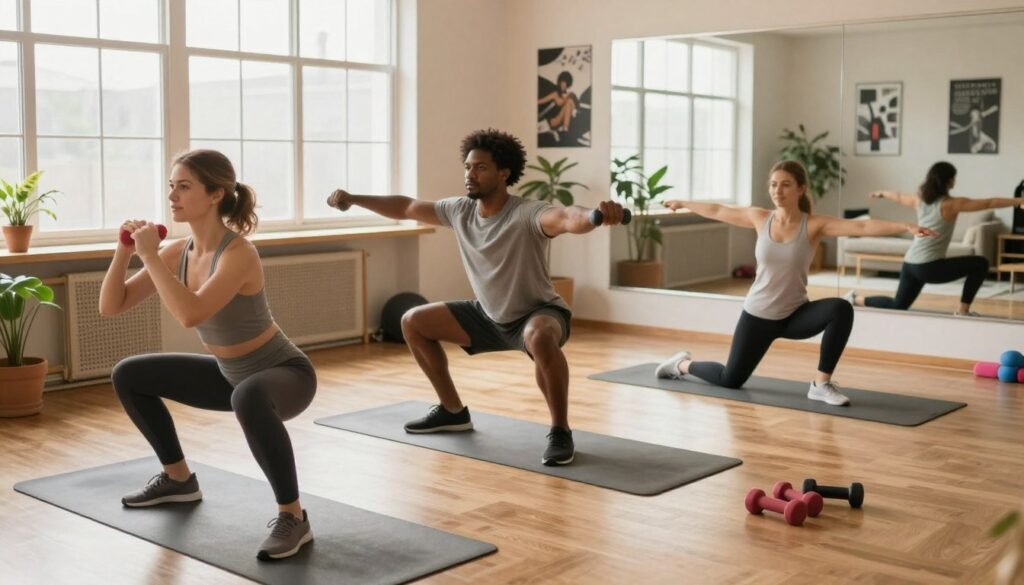
Bodyweight squats for my legs and glutes
I start by standing with my feet shoulder-width apart. I lower my hips as if sitting into an invisible chair, keeping my chest lifted and my weight in my heels to engage my glutes effectively.
Wall push-ups for my chest, shoulders, and arms
For this beginner workout at home, I place my hands on a wall at shoulder height. I step my feet back slightly and lower my chest toward the wall, pushing back to the starting position to build upper-body strength without straining my joints.
Alternating reverse lunges for balance and lower-body strength
I step one foot backward and lower my back knee toward the floor, keeping my front knee aligned with my ankle. This movement is excellent for improving my stability and strengthening my legs in a controlled manner.
Standing knee drives for low-impact cardio
I stand tall and drive one knee up toward my chest while engaging my core. I alternate legs quickly but safely, which helps elevate my heart rate without the need for jumping or high-impact movements.
Bird dogs for core stability and coordination
I get on my hands and knees, extending my opposite arm and leg simultaneously. This exercise is essential for my core health, as it forces me to maintain balance and focus on my posture.
How I use controlled movement instead of rushing
I prioritize quality over quantity during my beginner workout at home. By moving slowly, I ensure my muscles are doing the work rather than relying on momentum. This mindful approach to my low-impact exercise routine keeps me safe and helps me build a stronger foundation for future progress.
Step 4: Follow the 15-Minute Workout for Beginners
This 10-minute circuit forms the heart of my daily movement practice. By focusing on controlled movements, I can ensure that this easy exercise routine remains both safe and effective for my body.
I follow this sequence to keep my heart rate steady while building functional strength. This simple workout for newbies is designed to be performed without needing complex equipment.
Minute one: bodyweight squats
I stand with feet shoulder-width apart and lower my hips as if sitting in a chair. I keep my chest up and weight in my heels.
Minute two: wall push-ups
I place my hands on a wall at shoulder height. I lean in until my nose is near the wall, then push back to the starting position.
Minute three: alternating reverse lunges
I step one foot back and lower my knee toward the floor. I alternate legs to keep my balance challenged.
Minute four: standing knee drives
I lift one knee toward my chest while engaging my core. I switch legs quickly to keep my heart rate elevated.
Minute five: bird dogs
I extend my opposite arm and leg while maintaining a flat back. This movement helps me improve my stability and coordination.
Minute six: bodyweight squats with an optional calf raise
I perform a standard squat, but as I stand up, I rise onto my toes. This adds a bit of extra work for my lower legs.
Minute seven: incline push-ups using a sturdy counter
Using a kitchen counter, I perform a push-up at a slight angle. This is a great simple workout for newbies who want to increase intensity.
Minute eight: supported split squats
I place one foot behind me on a low surface or just keep it back for balance. I lower my hips to target my glutes and quads.
Minute nine: step-touch cardio
I step side-to-side while swinging my arms. This keeps me moving and helps me recover before the final minute.
Minute ten: standing cross-body reaches
I reach my right hand toward my left foot, then switch. This final movement stretches my core and finishes my easy exercise routine.
How I pace the circuit with work and recovery intervals
I aim for 45 seconds of movement followed by 15 seconds of rest for each minute. This pacing allows me to maintain proper form throughout the entire session. If I feel tired, I simply slow my pace rather than stopping completely.
Step 5: Modify Each Exercise for My Fitness Level
Adapting my movements allows me to stay consistent regardless of my starting point. By listening to my body, I can turn any short workout for beginners into a routine that feels both safe and effective.
Beginner-friendly options for limited strength
If I find certain movements too taxing, I simply reduce the range of motion. For example, I can perform a shallower squat rather than going all the way down to the floor. This approach helps me build confidence while I gradually increase my functional strength.
Low-impact alternatives for sensitive knees or hips
I prioritize joint health by keeping my feet on the ground during cardio movements. Instead of jumping, I focus on controlled, rhythmic steps that keep my heart rate up without unnecessary impact. This modification makes my basic beginner workout accessible even on days when my joints feel stiff.
Chair-supported versions for balance concerns
Stability is essential when I am just starting out. I keep a sturdy chair nearby to hold onto during lunges or squats, which provides the extra support I need to maintain proper form. Using a chair allows me to focus on my muscle engagement rather than worrying about losing my balance.
Ways to make each movement more challenging over time
As I get stronger, I look for ways to increase the intensity of my routine. I might slow down the tempo of my squats to increase time under tension or add a small pulse at the bottom of each movement. These small changes ensure that my progress continues without needing to overhaul my entire schedule.
When I should stop, rest, or switch to an easier variation
I always pay close attention to my body’s signals during exercise. If I feel sharp pain or notice my form breaking down, I stop immediately to rest or switch to a less demanding version of the movement. Consistency is built on safety, and taking a moment to recover is a vital part of my long-term success.
Step 6: Finish With a Two-Minute Cooldown
The final phase of my fast fitness routine involves a gentle two-minute cooldown to help my body recover. This brief period allows my heart rate to return to normal while signaling to my nervous system that the intensity is over. By dedicating time to this transition, I ensure that my body feels refreshed rather than depleted.
Slowing my breathing after the circuit
Once I finish my last exercise, I focus on deep, rhythmic breathing. I inhale slowly through my nose and exhale through my mouth to lower my heart rate. Controlled breathing is the most effective way to shift my body from a high-energy state to a state of calm recovery.
Standing quadriceps and hamstring stretches
I perform these stretches while standing to maintain my balance and keep my muscles warm. I hold each position for about 20 seconds to allow my muscle fibers to lengthen safely. These movements are vital for maintaining flexibility after my fast fitness routine.
- Quadriceps stretch: I pull my heel toward my glutes while keeping my knees aligned.
- Hamstring stretch: I place one heel forward with a slight bend in the knee and hinge at my hips.
Chest, shoulder, and calf stretches for gentle recovery
To address my upper body and lower legs, I incorporate a few simple static holds. These stretches help prevent stiffness and improve my overall range of motion. The following table outlines the key areas I target during this recovery phase:
| Muscle Group | Movement Focus | Duration |
|---|---|---|
| Chest | Open arms wide | 20 Seconds |
| Shoulders | Cross-body pull | 20 Seconds |
| Calves | Wall-supported press | 20 Seconds |
Why I avoid bouncing or forcing a stretch
I always remember that gentle movement is superior to aggressive stretching. Bouncing can cause micro-tears in my muscles, which leads to unnecessary soreness or injury. Instead, I hold each stretch at a point of mild tension, allowing my body to relax naturally into the position.
Step 7: Fit This Quick Beginner Workout Into a Busy Week
I discovered that even the busiest weeks can accommodate a short, effective exercise routine. The secret lies in flexibility rather than rigid perfection. By planning ahead, I ensure that my health remains a priority despite my changing responsibilities.
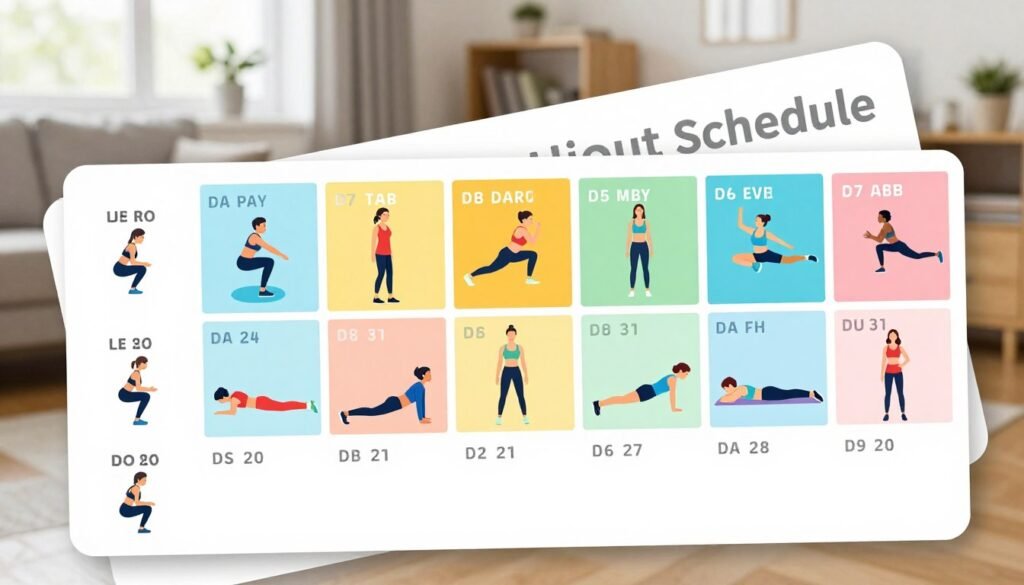
Creating a realistic three-day exercise schedule
I find that aiming for three days a week is a sustainable starting point. I usually pick Monday, Wednesday, and Friday to keep my momentum steady. This leaves me enough recovery time while keeping exercise at the front of my mind.
If I miss a day, I do not let it derail my progress. I simply resume my routine during the next scheduled session. Consistency is built over time, not through a single perfect week.
Using short movement breaks on non-workout days
On days when I do not perform my full circuit, I incorporate small movement snacks. I might take a five-minute walk or do a few stretches while waiting for my coffee to brew. These brief bursts of activity keep my body feeling limber and energized.
These moments help me maintain the habit of moving my body daily. They bridge the gap between my formal workouts and my sedentary tasks. Small actions add up to significant long-term benefits.
Pairing my workout with an existing daily habit
I have found that linking my exercise to a routine task makes it much easier to remember. For example, I perform my circuit immediately after I finish my morning shower or right before I start my evening meal prep. This creates a natural trigger that prompts me to begin.
By anchoring my workout to a habit I already perform, I remove the need for extra willpower. It becomes a seamless part of my day rather than an added chore. Efficiency is key to maintaining a long-term fitness lifestyle.
How I stay consistent when my schedule changes
Life is unpredictable, and my schedule often shifts without warning. When a meeting runs late or an emergency arises, I adjust my expectations. I might shorten my workout to five minutes or simply perform a few stretches to stay connected to my goal.
The goal is to never miss twice in a row. By keeping the barrier to entry low, I ensure that I can always find a way to move. Adaptability is my greatest tool for staying on track during busy times.
Step 8: Track Progress and Build My Easy Fitness Routine
Tracking my progress is the secret to transforming a simple routine into a lasting lifestyle. By keeping a clear record, I can turn my daily movement into a truly beginner-friendly exercise plan that evolves with me. This process helps me stay accountable and excited about my fitness journey.
Recording repetitions, exercise variations, and energy levels
I find that writing down my daily stats provides a clear picture of my growth. I focus on logging the number of repetitions completed, the specific variations I used, and how I felt during the session. This valuable data helps me identify which movements feel natural and which ones might need more practice.
- Date and Time: Keep a consistent log of when I move.
- Repetition Count: Note how many reps I finished for each exercise.
- Energy Score: Rate my energy from 1 to 10 before and after.
- Notes: Write down any modifications that made the movement easier or harder.
Progressing from one circuit to two or longer work intervals
Once I feel comfortable with the initial routine, I look for ways to safely increase my workload. I might start by adding a second circuit or extending my work intervals by five seconds. This gradual approach ensures that my beginner-friendly exercise plan remains challenging without leading to burnout or injury.
| Phase | Duration | Goal |
|---|---|---|
| Starting | 15 Minutes | Build consistency |
| Intermediate | 20 Minutes | Increase intensity |
| Advanced | 25 Minutes | Improve endurance |
Recognizing improvements beyond weight or appearance
It is important to remember that fitness is about more than just how I look in the mirror. I celebrate the non-scale victories that come with my beginner-friendly exercise plan, such as having more energy to play with my kids or feeling less winded after climbing stairs. These internal changes are the true markers of my success.
How I increase difficulty without sacrificing form
I prioritize perfect technique over speed or extra repetitions every single time. If I cannot maintain proper alignment, I immediately scale back to a simpler version of the movement. By focusing on controlled, steady motions, I build a stronger foundation that allows me to progress safely over the long term.
Conclusion
My journey toward better health starts with the simple decision to move my body for fifteen minutes. I now possess the tools to build strength and improve my energy levels without needing a gym membership or expensive equipment.
Consistency remains the most vital component of my success. By focusing on small, manageable movements, I create a routine that fits my busy lifestyle. I prioritize quality over intensity to ensure my body recovers well between sessions.
I feel empowered knowing that I can modify these exercises to match my current fitness level. I track my progress to stay motivated and celebrate the small wins that lead to long-term vitality. My commitment to this practice transforms my daily health and keeps me moving toward my goals.