Best Home Workout Without Equipment for Beginners
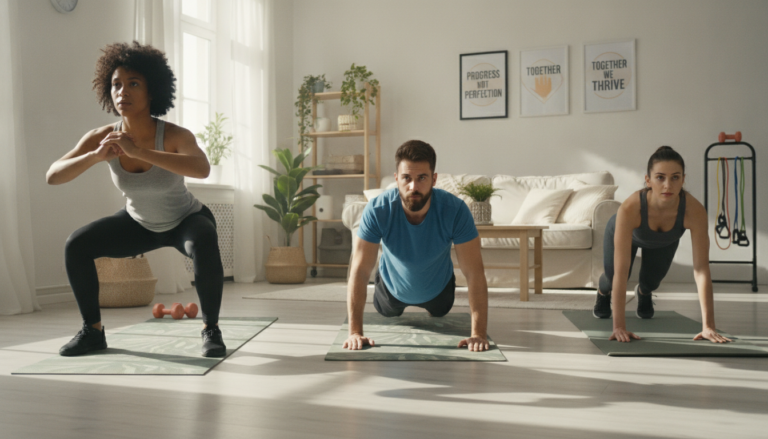
I believe that getting fit should be simple and accessible for everyone. You do not need a gym membership or expensive machines to reach your physical goals. Starting a home workout without equipment allows you to build strength in the comfort of your own space.
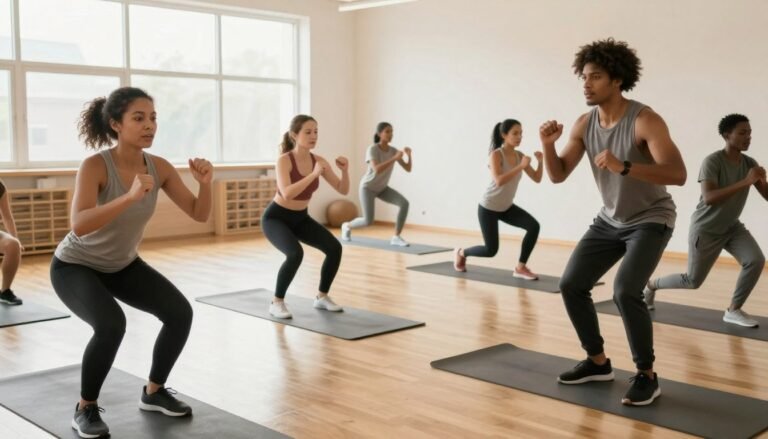
My guide focuses on bodyweight movements that challenge your muscles effectively. By using your own mass, you gain control and improve your functional movement patterns. These no equipment workouts provide a perfect foundation for anyone just beginning their fitness journey.
In the following sections, I will walk you through essential strength moves and mobility drills. We will also cover safety tips, weekly planning, and strategies to stay consistent. Let’s transform your daily routine into a powerful habit that yields real results.
Key Takeaways
- Focus on bodyweight exercises to build functional strength.
- Create a consistent schedule to ensure long-term progress.
- Prioritize proper form to prevent injuries during training.
- Use mobility drills to improve your range of motion.
- Track your performance to stay motivated over time.
Set Up My Beginner-Friendly Home Workout
I find that creating a dedicated space is essential for my success with simple at-home fitness. By preparing my environment, I remove common barriers that might otherwise stop me from starting my daily movement.
Choose a Safe, Comfortable Workout Space
Clear Floors, Stable Surfaces, and Adequate Ventilation
I prioritize clearing a small area of my floor to ensure I have enough room to move freely without bumping into furniture. I always look for a stable, non-slip surface, such as a low-pile rug or a yoga mat, to protect my joints during floor work.
Good airflow is just as important as having enough space. I make sure to open a window or turn on a fan to keep the room cool while I perform my minimal equipment home exercises.
Decide How Often and How Long to Train
Starting With Short Sessions and Manageable Goals
I prefer to start with short, ten-minute sessions to build a consistent habit without feeling overwhelmed. By setting manageable goals, I can gradually increase my duration as my confidence grows.
| Goal Type | Frequency | Session Length |
|---|---|---|
| Beginner | 3 Days/Week | 10-15 Minutes |
| Intermediate | 4 Days/Week | 20-30 Minutes |
| Advanced | 5 Days/Week | 40+ Minutes |
Use Body Awareness Instead of Exercise Equipment
Recognizing Proper Alignment, Controlled Movement, and Pain Signals
Since I am focusing on minimal equipment home exercises, I rely heavily on my own body awareness to guide my form. I pay close attention to my posture, ensuring my spine stays neutral and my movements remain slow and deliberate.
I listen to my body carefully during every session. If I feel sharp pain, I stop immediately to adjust my position, as proper alignment is the key to staying injury-free while practicing simple at-home fitness.
What Makes a Home Workout Without Equipment Effective
Building strength at home does not require heavy iron plates or complex machines. I can achieve impressive results by using my own body as the primary source of resistance. This approach makes bodyweight workouts at home accessible and highly efficient for my daily routine.
How Bodyweight Training Builds Strength
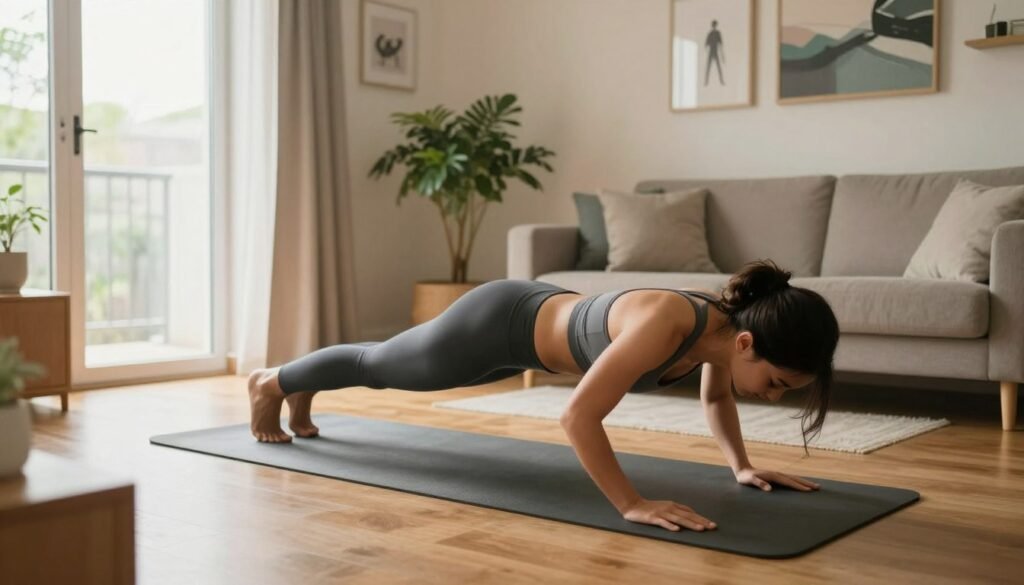
When I perform movements like push-ups or squats, I am working against the force of gravity. My muscles must contract to lift and stabilize my body mass. This constant tension triggers muscle growth and improved functional strength over time.
How to Combine Strength, Cardio, Mobility, and Core Work
I can design my sessions to target multiple fitness qualities at once. By moving quickly between exercises, I keep my heart rate elevated for a cardiovascular benefit. I also incorporate movements that require balance and flexibility to improve my overall mobility and core stability.
How Repetitions, Tempo, and Rest Replace Weights
Since I lack external weights, I manipulate other variables to keep my progress moving forward. I adjust the number of repetitions or shorten my rest periods to increase the intensity. These simple changes ensure that my bodyweight training at home remains challenging as I get stronger.
Using Slow Lowering and Pauses to Increase Challenge
I often use a slow, controlled tempo to make an exercise feel much harder. By taking three seconds to lower into a squat, I increase the time my muscles spend under tension. Adding a brief pause at the bottom of a movement also eliminates momentum and forces my muscles to work harder.
What Beginners Can Expect During the First Few Weeks
During the first few weeks, my body will adapt to these new movement patterns. I might feel some muscle soreness, which is a normal sign that my body is building new strength. Consistency is the key to seeing long-term improvements in my fitness level.
Warm Up Before My No Equipment Exercise Routine
A proper warm-up is the secret to a successful no equipment exercise routine. By taking a few minutes to prepare, I protect my joints and improve my overall performance. This simple habit ensures my body is ready for the work ahead.
Start With Easy Whole-Body Movement
I begin by focusing on light, rhythmic movements that get my blood flowing. These home workout tips without gear emphasize steady, low-impact motion to wake up my nervous system.
Marching in Place and Gentle Side Steps
I start by marching in place, lifting my knees to a comfortable height while swinging my arms naturally. After a minute, I transition into gentle side steps, tapping my toes wide and bringing them back together. This helps me find my rhythm and prepares my legs for more complex movements.
Mobilize the Hips, Shoulders, Ankles, and Spine
Once my heart rate rises slightly, I focus on my joints. I perform slow, controlled circles with my shoulders to release tension. Then, I gently rotate my ankles and hips to ensure my range of motion is fluid. Mobility is essential for preventing stiffness during my session.
Activate the Core and Raise Body Temperature
To fully prepare, I need to engage my midsection and increase my internal heat. This step is vital for maintaining stability throughout my training.
Using Standing Knee Drives and Controlled Arm Circles
I perform standing knee drives by lifting one knee toward my chest while keeping my core tight. Simultaneously, I execute controlled arm circles, starting small and gradually increasing the size of the movement. These home workout tips without gear help me feel energized and focused.
Know When I Am Ready to Begin the Main Workout
I know I am ready to start my no equipment exercise routine when I feel a light sweat on my skin. My breathing should be slightly elevated but still comfortable enough to hold a conversation. When my movements feel smooth and my muscles feel warm, I am prepared to begin the main workout with confidence.
Follow My Step-by-Step Bodyweight Workout at Home
Building strength at home is simple when I follow a clear, step-by-step plan designed for my success. By focusing on bodyweight exercises, I can improve my fitness without needing a gym membership or expensive gear. This routine helps me stay consistent while ensuring I move safely and effectively.
Perform Bodyweight Squats for Legs and Glutes
How I Set Up and Complete Each Repetition
I stand with my feet shoulder-width apart and toes pointed slightly outward. I lower my hips as if sitting into an invisible chair, keeping my chest upright and my weight in my heels. I push through my feet to return to a standing position, squeezing my glutes at the top.
Beginner Modifications Using a Chair or Reduced Depth
If I find full squats difficult, I place a sturdy chair behind me to act as a target. I sit down lightly on the chair before standing back up to ensure I maintain proper form. Alternatively, I can perform partial squats by only lowering halfway until my strength improves.
Use Incline Push-Ups for Chest, Shoulders, and Arms
How I Keep My Body in a Straight Line
I place my hands on a stable surface, keeping them slightly wider than my shoulders. I engage my core to ensure my body forms a straight line from my head to my heels. I lower my chest toward the surface, then push back up with controlled movement.
Progressing From a Wall to a Countertop or Table
I start by using a wall for my incline push-ups to reduce the intensity. As I get stronger, I move to a lower surface like a sturdy countertop or a heavy table. This progression allows me to gradually increase the difficulty of these no equipment exercises.
Train the Back of My Legs With Glute Bridges
How I Squeeze My Glutes Without Overarching My Back
I lie on my back with my knees bent and feet flat on the floor. I lift my hips toward the ceiling by driving through my heels, focusing on activating my glutes. I stop when my body forms a straight line from my knees to my shoulders, being careful not to arch my lower back.
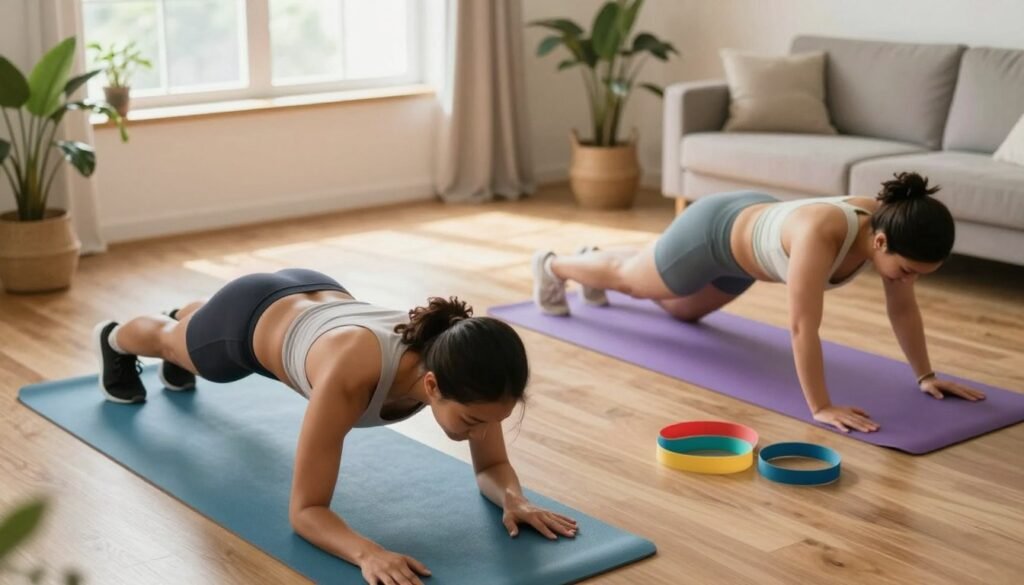
Strengthen My Core With a Forearm Plank
How I Brace My Abdomen and Protect My Lower Back
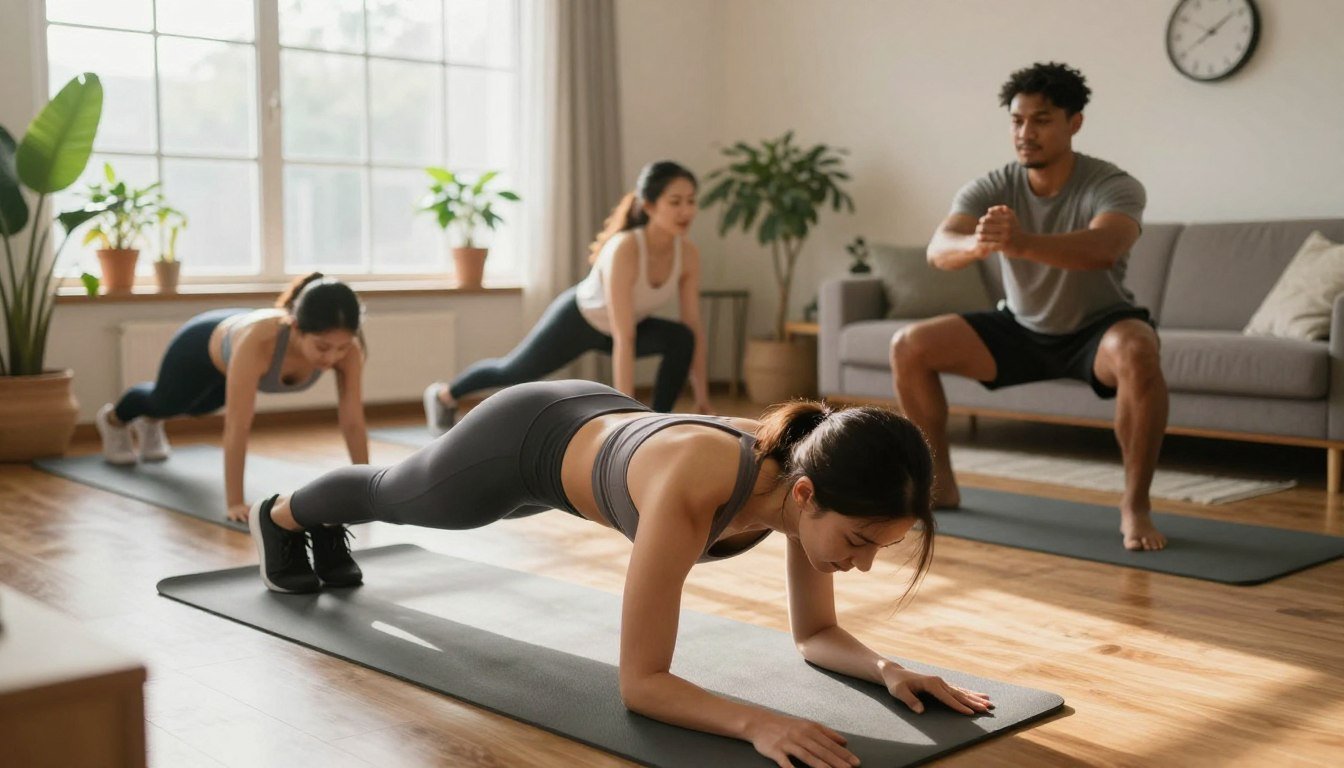
I rest on my forearms with my elbows directly under my shoulders. I pull my belly button toward my spine to brace my core, which keeps my back flat. I hold this position while breathing steadily to build endurance.
Shortening the Hold or Using Knees-Down Support
If I cannot hold the plank for long, I start with shorter intervals of 15 to 20 seconds. I can also drop my knees to the floor to reduce the load while still challenging my core muscles. This makes these no equipment exercises accessible for any fitness level.
Build Leg Stability With Reverse Lunges
How I Step Back and Keep My Front Knee Aligned
I stand tall and take a controlled step backward with one foot. I lower my back knee toward the floor, ensuring my front knee stays aligned over my ankle. I push off my back foot to return to the starting position, alternating legs for balance.
Improve Full-Body Conditioning With Marching Mountain Climbers
How I Control the Pace Without Losing Form
I start in a high plank position with my hands on the floor. I slowly bring one knee toward my chest, then return it to the starting position before switching legs. I focus on maintaining a steady rhythm rather than speed to keep my core engaged.
Finish With a Low-Impact Cardio Movement
Choosing Step Jacks Instead of Jumping Jacks
To finish my session, I perform step jacks by stepping one foot out to the side while raising my arms overhead. I alternate sides quickly to keep my heart rate up without the impact of jumping. This is a great way to conclude my bodyweight exercises safely.
Complete the Workout as a Beginner Circuit
Performing One to Three Rounds With Planned Rest
I organize these movements into a circuit to maximize my time. I perform each exercise for 30 seconds, followed by 30 seconds of rest. I repeat this sequence for one to three rounds depending on my energy levels.
- Round 1: Focus on learning the movement patterns.
- Round 2: Increase focus on muscle engagement.
- Round 3: Challenge my endurance with minimal rest.
Adjust Each Exercise to My Current Fitness Level
I can easily tailor my indoor workout without gear to match my current fitness level. By making small, intentional changes, I ensure that my training remains both challenging and safe. These adjustments allow me to get the most out of my free home fitness exercises regardless of my starting point.
Use Easier Variations When I Am New to Exercise
Reducing Range of Motion, Repetitions, or Workout Speed
When I am just starting, I focus on quality over quantity. I might perform a squat to a shallower depth or reduce the number of repetitions to avoid excessive fatigue. Slowing down my movement speed also helps me maintain proper form and build a solid foundation.
Increase the Challenge Without Adding Equipment
Adding Repetitions, Extra Rounds, Slower Tempos, or Longer Holds
Once I feel stronger, I look for ways to push my limits without needing extra weights. I can add more repetitions to my sets or include an extra round in my circuit. Incorporating slower tempos or holding a position for a few extra seconds significantly increases the intensity of my free home fitness exercises.
Choose Low-Impact Options for Sensitive Joints
Replacing Jumping, Deep Bending, or Fast Transitions
If I experience discomfort in my joints, I swap high-impact movements for gentler alternatives. I replace jumping with step-outs and avoid deep lunges if they feel unstable. These modifications keep my indoor workout without gear effective while protecting my body from unnecessary strain.
Apply a Simple Effort Test
Using Breathing and the Talk Test to Manage Intensity
I use the talk test to gauge how hard I am working during my sessions. If I can speak in full sentences, I am likely in a moderate zone. If I am gasping for air, I know it is time to slow down and recover.
| Adjustment Type | Goal | Example Method |
|---|---|---|
| Regression | Build Confidence | Reduce range of motion |
| Progression | Increase Strength | Add longer holds |
| Modification | Protect Joints | Remove jumping |
| Monitoring | Manage Effort | Use the talk test |
Build an Effective Weekly Home Workout Plan
Designing an effective home workout plan requires balancing effort with necessary recovery time. I focus on creating a rhythm that challenges my muscles while allowing my body to repair itself. By organizing my week, I ensure that I stay consistent without feeling overwhelmed by my fitness goals.
Follow a Three-Day Beginner Strength Schedule
I dedicate three days each week to focused strength training. This frequency provides enough stimulus to build muscle while keeping my joints healthy. I prefer to perform these sessions on non-consecutive days to maximize my performance.
Spacing Workouts With Rest or Light Activity
I always place at least one day of rest or light movement between my strength sessions. This spacing prevents burnout and helps me maintain high energy levels. Consistency is the foundation of my progress, so I prioritize these recovery windows.
Add Walking and Simple At-Home Fitness on Non-Strength Days
On days when I am not lifting, I keep my body moving with low-impact activities. Walking is my favorite way to stay active without adding stress to my muscles. I also incorporate light stretching or mobility work to improve my range of motion.
Use a Sample Seven-Day Bodyweight Workout Plan
A structured bodyweight workout plan helps me visualize my week and stay on track. I rotate between different types of movement to keep things interesting. This variety ensures that I hit all major muscle groups throughout the week.
Strength Days, Mobility Days, Recovery Days, and Full Rest
| Day | Activity Type | Focus Area |
|---|---|---|
| Monday | Strength | Full Body |
| Tuesday | Mobility | Joint Health |
| Wednesday | Strength | Full Body |
| Thursday | Active Recovery | Walking |
| Friday | Strength | Full Body |
| Saturday | Active Recovery | Light Stretching |
| Sunday | Full Rest | Complete Recovery |
Adjust the Plan for a Busy Schedule
Life can get hectic, but I do not let a busy calendar stop my progress. I have learned to adapt my routine to fit the time I have available. Flexibility is key to maintaining a long-term habit.
Using Ten-Minute Sessions When I Have Limited Time
When I am short on time, I perform a condensed ten-minute circuit. These quick bursts of movement keep my heart rate up and my muscles engaged. Even a short session is better than skipping my workout entirely.
Track Workouts, Repetitions, Energy, and Recovery
I keep a simple log to monitor my performance and how I feel after each session. Tracking my repetitions helps me see how I am getting stronger over time. I also note my energy levels and recovery quality to ensure I am not pushing too hard. Listening to my body is the most important part of my training journey.
Progress Safely With Bodyweight Exercises
Building strength at home requires a smart approach to long-term progress. I ensure that my at home fitness routines remain sustainable by focusing on quality over quantity. By moving slowly, I protect my joints and build a solid foundation for future gains.
Master Technique Before Increasing Workout Difficulty
I always prioritize perfect form before I even think about adding more intensity. If I cannot perform a movement with control, adding more repetitions will only increase my risk of injury. Mastering the basics allows me to recruit the right muscles effectively during every session.
Progress One Training Variable at a Time
When I feel ready to advance, I change only one element of my training at a time. This method helps me track exactly what makes my body stronger. It prevents me from becoming overwhelmed by too many changes at once.
Changing Repetitions, Sets, Tempo, Range of Motion, or Rest
I choose one specific variable to adjust during my home workout routines. For example, I might increase the number of repetitions while keeping my rest periods the same. Alternatively, I could slow down the tempo of my movements to increase time under tension. These small, calculated shifts lead to consistent improvement without causing burnout.
Recognize Normal Effort Versus Warning Signs
It is normal to feel muscle fatigue or a slight burn during a challenging set. However, I must distinguish this healthy sensation from actual physical distress. I pay close attention to how my body reacts to each movement.
Stopping for Sharp Pain, Dizziness, Chest Pain, or Unusual Shortness of Breath
I stop my workout immediately if I experience sharp, stabbing pain in my joints or muscles. I also halt my activity if I feel dizzy, experience chest pain, or notice unusual shortness of breath. Safety is my top priority, and I never push through these specific warning signs.
Recover With Sleep, Hydration, and Rest Days
My muscles grow and repair themselves while I am resting, not while I am training. I prioritize getting enough sleep each night to support my recovery process. Staying hydrated and taking scheduled rest days are essential parts of my home workout routines.
Know When to Ask a Medical Professional for Guidance
If I have underlying health conditions or persistent pain, I consult a doctor before starting new at home fitness routines. Professional guidance ensures that my exercise plan is safe for my specific needs. I never hesitate to seek expert advice when I am unsure about my physical limits.
| Variable | Beginner Focus | Advanced Focus |
|---|---|---|
| Repetitions | Low (5-8) | High (15+) |
| Tempo | Controlled | Slow/Paused |
| Rest Time | Long (90s) | Short (30s) |
| Range of Motion | Partial | Full |
Stay Consistent With My Indoor Workout Without Gear
Building a lasting fitness habit requires more than just motivation; it demands a clear strategy. I find that the best home workout ideas are those that remove friction from my daily routine. By simplifying my environment, I make it much easier to show up for myself every single day.
Make Home Workouts Easy to Start
Preparing a Small Space and Scheduling a Reliable Time
I designate a specific corner of my living room as my permanent training zone. Having my mat ready and my space clear means I spend zero time setting up when I am ready to move. I also pick a consistent time, such as right after I wake up or immediately after work, to lock in my habit.
Use Small Milestones Instead of All-or-Nothing Goals
I avoid the trap of thinking I must complete an hour-long session to see results. Instead, I set micro-goals, like finishing just ten minutes of movement. These small wins build momentum and prevent me from feeling overwhelmed by my fitness journey.
Keep Workouts Interesting With Exercise Swaps
Variety keeps my mind engaged and my body challenged. I rotate through different movements to ensure I never get bored with my routine.
Rotating Squats, Lunges, Push-Ups, Planks, and Cardio Options
I swap my standard squats for lunges or add mountain climbers to keep my heart rate up. By mixing these fundamental movements, I maintain interest while ensuring I hit every major muscle group throughout the week.
Handle Missed Sessions Without Abandoning the Plan
Life often gets in the way, and that is perfectly normal. If I miss a day, I simply resume my schedule the next time I am able. I never let one skipped session turn into a week of inactivity, as consistency is about the long-term trend rather than perfection.
Use Form, Consistency, and Recovery as Success Measures
I track my progress by how well I perform each movement rather than just the number of repetitions. Focusing on proper form and adequate recovery ensures I stay injury-free and energized. The following table outlines how I evaluate my weekly success.
| Metric | Goal | Why It Matters |
|---|---|---|
| Form | Controlled movement | Prevents injury and builds strength |
| Consistency | 3 sessions per week | Creates a sustainable habit |
| Recovery | Quality sleep and rest | Allows muscles to repair and grow |
| Energy | Feeling refreshed post-workout | Indicates appropriate intensity |
Conclusion
My path to better health begins with a simple, dedicated space in my home. I now have the tools to perform squats, incline push-ups, glute bridges, planks, lunges, mountain climbers, and step jacks without any expensive gear.
I prioritize my long-term success by focusing on gradual progression. I listen to my body to recognize warning signs while valuing rest and proper recovery. This approach keeps me safe as I build strength and endurance.
Consistency remains my most powerful asset. I track my small wins to stay motivated throughout the week. I invite you to begin your own routine today by setting up a comfortable area and completing your first circuit.
Your commitment to regular movement creates lasting change. I look forward to seeing how these bodyweight exercises transform your daily energy and physical well-being. Start small, stay steady, and enjoy the process of becoming a stronger version of yourself.